


The official start of summer is just days away. As the temperatures rise, Peggy Layton is already bracing for higher energy bills.
"Normally, I never exceed $200, and it was close to $400," Layton said about her most recent utility bill.
So where should you set your thermostat?
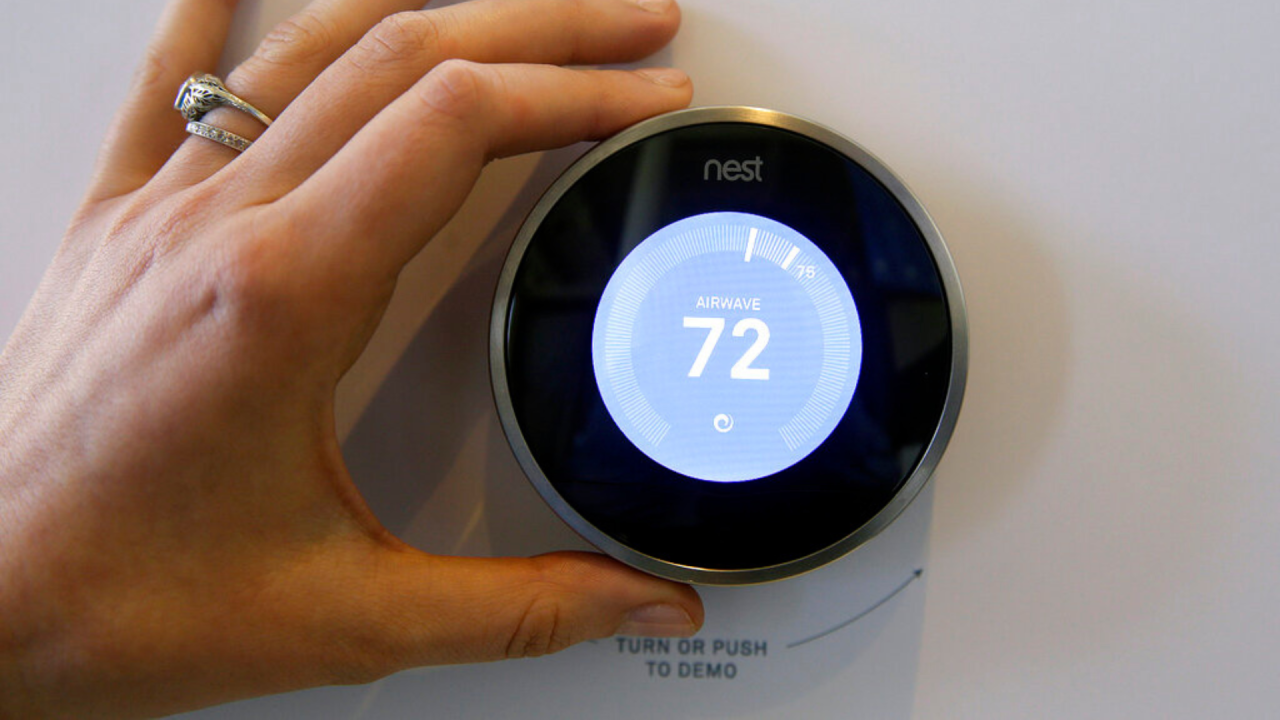
For summer savings, the U.S. Department of Energy recommends an indoor temperature of 75 to 78 degrees during the day and increasing the temperature by 7 degrees when no one is home.
Damon Cantrell, a technician with Logan Services, said 72 to 74 degrees is more realistic for most households. He urges homeowners to avoid dropping the temperature below 70.
"When you get below 70, you're going to be using a lot of energy," Cantrell said.
When you leave the house, Cantrell recommends going just two degrees higher than your normal setting — rather than cranking the temperature up significantly.
"It's going to have to work longer to get there," Cantrell said. "It can take one hour to go one degree."
Watch as an experienced AC technician shows how to set your thermostat for the best savings:
What is "supercooling" and does it help?
Another strategy for saving is called supercooling. Greg Field, owner and senior energy consultant at PGT Home Energy Solutions, said it works by cooling your home to around 68 degrees at the start of the day.
"You may have to throw on a sweater, but you're cooling the flooring, the drywall," Field said. "Everything in the house is getting nice and cold."
RELATED STORY | Keep summer cooling costs down as electricity bills climb
Then, as outdoor temperatures peak, turn the thermostat up. The idea is that the home's structure has absorbed enough cool air to reduce how hard the AC has to work.
"The thermal envelope is lowered enough that you get probably a good, depending on the home, hour to two hours where you're really not cycling the AC very hard," Field said.
Field said that supercooling works best in efficient, well-insulated homes with no duct leaks. Others warn it can be problematic in humid climates such as Florida.
More cooling tips
Cantrell also recommends an annual AC tune-up to keep your system running efficiently.
RELATED STORY | Study shows new homes save owners $25K in maintenance, energy bills
An annual AC tuneup costs between $60 and $200, depending on the type and size of your unit, according to the service site Angi.
Additional tips to cut cooling costs:
- Change your air filter monthly, even if the packaging recommends longer intervals
- Install ceiling fans for comfort
- Install a programmable thermostat and check with your utility provider for available rebates
For Layton, those steps could help avoid another record-breaking bill.
"The highest I've ever had in my home," she said.
Combine insulation, energy efficiency, shade and ventilation with minimal air conditioning, so you don’t waste your money.
________________________________
"Don't Waste Your Money" is a registered trademark of Scripps Media, Inc. ("Scripps").
_____________________________________
Follow John:
- Facebook: John Matarese Money
- Instagram: @johnmataresemoney
- X/Twitter: @JohnMatarese
For more consumer news and money saving advice, go to www.dontwasteyourmoney.com
