


Disclaimer: This Inside South Florida segment is sponsored by Zelle. All opinions and views are of the advertiser and does not reflect the same of WSFL-TV.
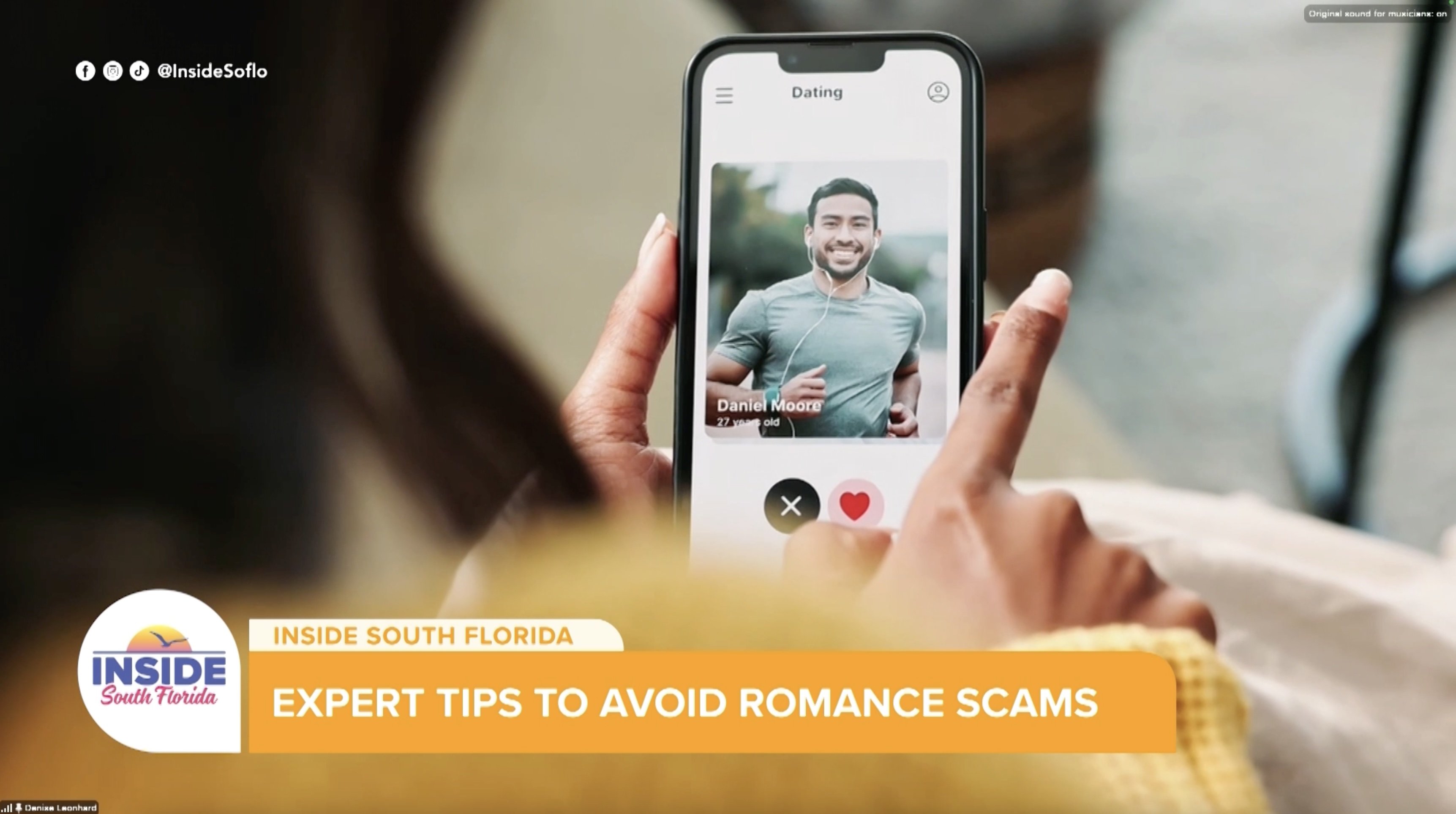
Romance scams continue to rise as fraudsters target vulnerable individuals through dating apps and social media, prompting financial experts to warn consumers about protecting both their hearts and wallets.
Denise Leonhard, General Manager of Zelle, highlighted the growing concern around romance scams and the tactics scammers use to exploit potential victims.
"Unfortunately, romance scams are increasing every day, and these scammers are really reaching out to people who might be vulnerable or who might be lonely," Leonhard said.
Scammers typically initiate contact through dating apps, social media platforms, online marketplaces, or unsolicited phone calls and text messages. The key to protection lies in verifying identity before engaging in any meaningful communication.
"My suggestion would always be to verify identity. It's really important to make sure that you know who you're communicating with," Leonhard said. "If you get that phone call and you don't know who's calling, you just let it go to voicemail."
Moving to Private Channels
A common tactic involves scammers pushing conversations from public platforms to private messaging or texting. This strategy serves a specific purpose in their fraud scheme.
"What these scammers do is they start to build a relationship with you," Leonhard explained. "They might meet you on a dating app or potentially on a social media platform, and then all of a sudden they'll ask you, like, 'Hey, let's take this to texting. Or can I give you a call?'"
Scammers prefer private channels because they make identity verification more difficult and lack the same safeguards present on established platforms.
"Before you make that move, I would always say, take a breath, take a beat and make sure that you actually are talking to the person who you think you're talking to," Leonhard advised.
Digital Payment Safety
Romance scams often involve extended relationship-building periods before money requests occur. Scammers may communicate with victims for weeks or months before introducing financial requests.
"You could actually be talking to somebody for weeks or months at a time before money is even mentioned, and then all of a sudden they'll be like, 'Hey, can you actually send me some money?'" Leonhard said.
Digital payments should be treated like cash transactions, sent only to people who have been verified and trusted. Leonhard recommends meeting potential romantic interests in person before sending any money.
"Make sure that you've met this person in real life, that you've actually hugged this person before you send them any money," she said.
Zelle processed $1.2 trillion in transactions last year, with an average transaction value of approximately $300. This figure indicates the platform's primary use for legitimate everyday expenses like rent payments and small business transactions among people who know and trust each other.
The company utilizes billions of data points to provide fraud detection capabilities and maintain network security.
More information about safe digital payment practices is available at zelle.com.
This story was reported on-air by a journalist and has been converted to this platform with the assistance of AI. Our editorial team verifies all reporting on all platforms for fairness and accuracy.
